Hearing the title of this book once is surely enough to remember it for years to come, as "clockwork" and "orange" seem to be a very odd combination of words. Of course, it is possible to read the book without needing understand exactly what the title means. However, I feel that knowing where the author was coming from by giving the book such an odd title gives much deeper insight into the central purpose and themes of the book. I purchased the newest American version of the book, which includes the 21st chapter that was originally removed from the American version as well as an introduction written by Anthony Burgess 20 years after the book was published. In this introduction, Burgess explains the complications encountered when translating the book, particularly the title, into other languages for publishing. When "A Clockwork Orange" was translated as Arancia a Orologeria or Orange Mechanique, readers would assume Burgess was referring to a machine of some sorts that was orange in color, losing the meaning Burgess was going for. In reality, "clockwork orange" was a term used by old Londoners (the book takes place in England) to describe someone who was incredibly odd (ex: "he's as queer as a clockwork orange"). Burgess gives this term a little more depth by using it to create an image of a person (the orange, like the fruit) oozing with juice and sweetness, which I like to think of as representing the person's potential and inner goodness. When applying "clockwork" to the orange, the fruit becomes mechanical and useless as a fruit in itself, toughening the skin of the orange and making its juices useless. This somewhat abstract image can be perfectly applied to the actual story, in which a merciless young offender is conditioned to be "good" in the eyes of society, unable to make decisions about crime on his own. When this orange becomes controlled by the tactics of a government with an extreme lack of toleration for crime, we are forced to question whether terrible crimes are better or worse than the very moral choice that goes into participating in or abstaining from said crimes. Now you can see where this odd title comes from and why the word choice is so vital to the book's very purpose.
On a bit shallower level, the title does serve a necessary purpose in drawing the reader in, giving book cover artists room for creative liberty with an interesting base for inspiration.

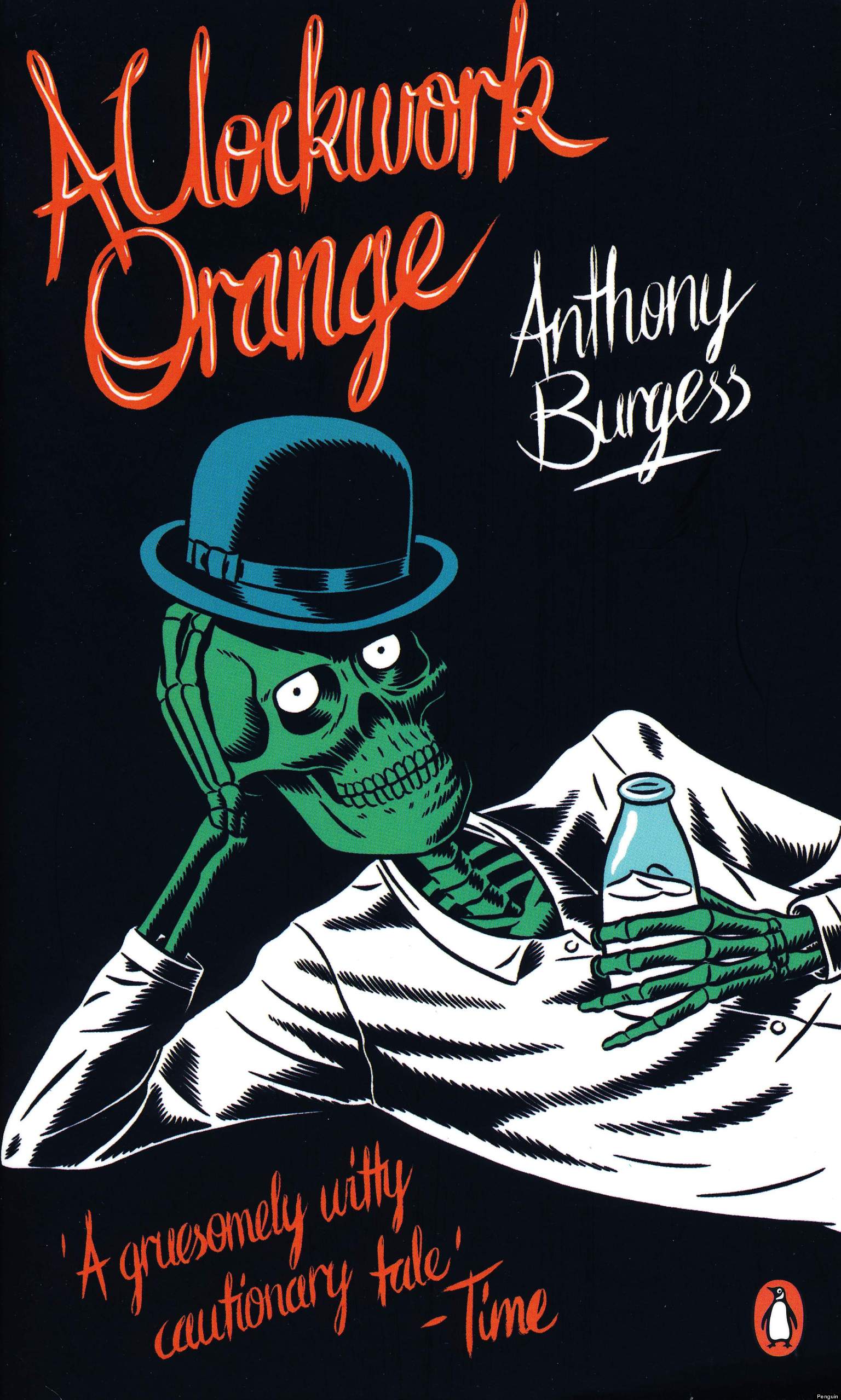

I hope an explanation of this strange title inspires you to read the book to find out more about Burgess' theory of the ethics of crime and punishment.

I also find Burgess' title very interesting, as while "clockwork" and "orange" may not be that unusual of words, it's rare to see them sitting next to each other. I've been reading *Clockwork* from it's 1967 American version (with the missing 21st chapter, of course), and though the description given by Stanley Edgar Hyman in the Afterword is very different from Anthony Burgess' own explanation, I feel like it could work with the story as well: "Deprived of his capacity for moral choice by science, Burgess appears to be saying, Alex is only a "clockwork orange," something mechanical that appears organic. The outside facade of Alex after the government's work on him is through appears normal - he is a kind, stand-up citizen whose only goal is to better the community around him. Internally, he has been deadened inside by a project that has sucked all enjoyment out of his life; he has been transformed into a mechanical being with no mind of its own. Like you said, the question that arises, then, is the ethical choice of the life better lived - one in which crime occurs freely and often, or in which every upstanding citizen is a sad clone of their peers.
ReplyDelete